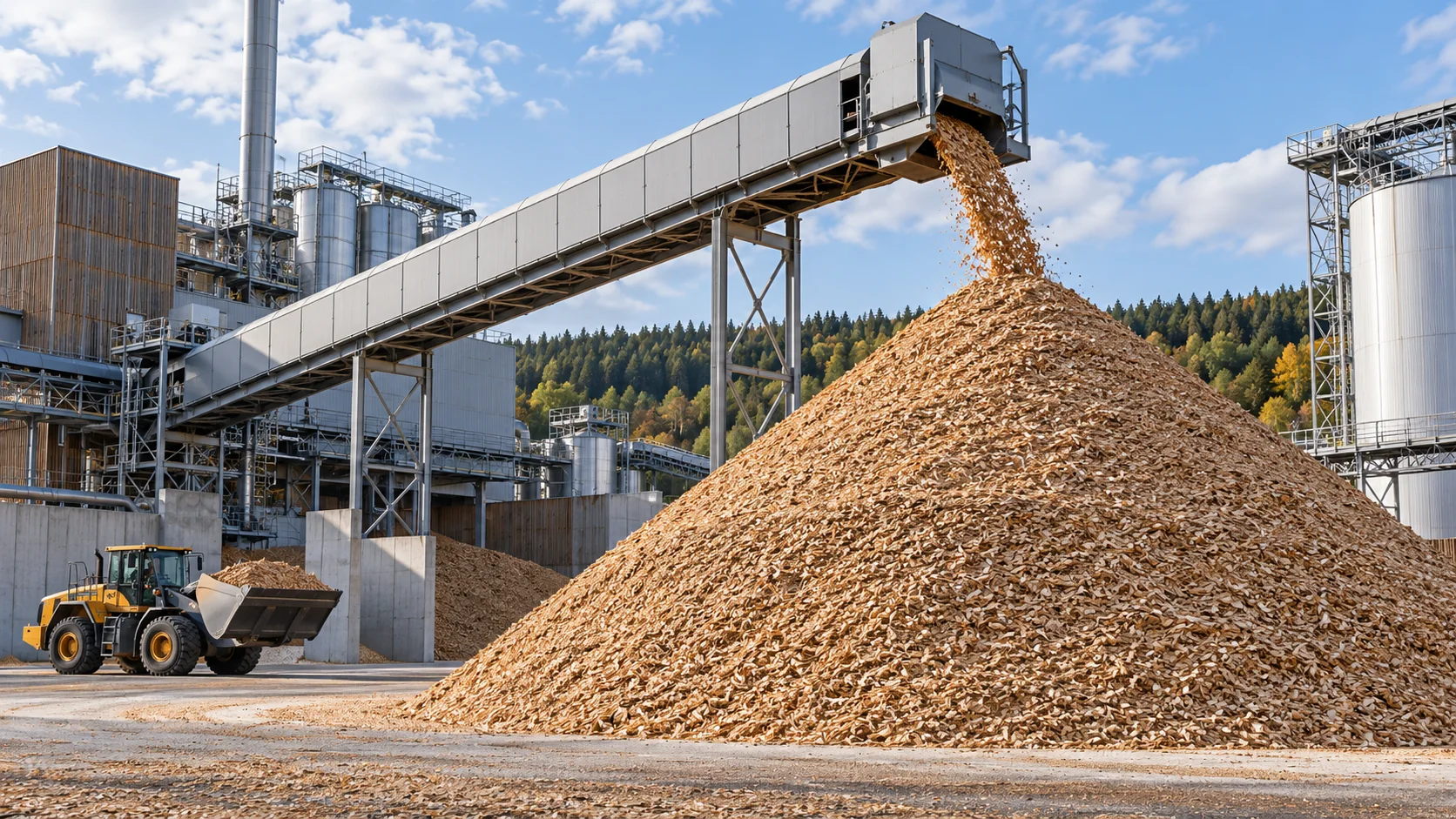
Moisture and particle size can vary across a bulk biomass lot. Define pile access, increment count, sample reduction and laboratory handling in advance for representative results.
Biomass and recovered-fuel feedstocks should be specified by moisture, particle size, contaminants, ash, energy value, storage and consuming equipment. Obtain each plant’s acceptance parameters separately.
Scope and technical review
Write a sampling plan that buyer and seller can apply consistently. Origin, processing, test method, sampling plan and seasonal variation can affect price and suitability. Include sampling and test terms in the contract.
Pre-quotation checklist
- Origin and material declaration, representative sample analysis, moisture and size values, contaminant limits and lot records.
- State quantity, unit, delivery point, target date and acceptance method.
- Confirm the current specification and required documents for the destination market.
Delivery and acceptance
Plan bulk or packaged delivery, rain protection, vehicle covering, bulk density, unloading equipment and plant storage before dispatch. Record the agreed lot, quantity and receiving contact so the delivered scope can be checked against the order.
Frequently asked question
Which tests may be needed for biomass products?
Depending on use, buyers may request moisture, particle size, ash, contaminants and energy-content parameters. The receiving plant should define the test scope.
Request a project-specific quotation
Share the technical scope, quantity and destination with AGREBET. Product availability, specifications, documents and commercial terms are confirmed for each inquiry.
Related product scope: Wood Chips, Sawdust and Biomass.
Technical information is general guidance. Confirm current manufacturer documents, applicable requirements and project approvals before purchase or application.